
Missing Download or Setup Error: Which Support Route Fits?
Separate order delivery, Windows compatibility, and menu questions so a Valorant setup request reaches the right support channel.
A useful setup workflow separates delivery, access, environment, and menu configuration. Each stage produces a different kind of question and a different set of information to keep. Work through them in order. This guide starts with an order confirmation, explains how to organize the next steps, and ends with a support request that another person can follow without asking you to repeat the whole story.
First, identify the order record
Keep the purchase confirmation from the external checkout provider. Record the selected option, purchase time, email address used, and order reference in a private place. These details help identify the transaction when a delivery question arises. A product title alone is less useful because several access options may share the same title.
Read the confirmation for the next action. Delivery instructions and payment receipts can be separate messages. Check the relevant email folders and the address used at checkout before moving into configuration questions. If the next step is unclear, send a focused order enquiry containing the reference and the missing step. Keep payment information and access credentials outside a public conversation.
Distinguish a delivery link from an account login
A delivery message may lead to an account page, a portal, or another provider-controlled access step. Write down which stage you have reached. “I received the receipt but not the access instructions” describes a different situation from “the portal opens but the login is rejected.” Naming the stage makes the request easier to route.
Use the delivery channel associated with the order. Keep bookmarks organized by purpose: purchase record, access page, documentation, and support contact. This prevents a general product-information page from being mistaken for the portal needed after payment. If a link changes, preserve the original message and ask the order provider for the current access route associated with that transaction.
Prepare the Windows environment note
Before reading setup instructions, collect the Windows edition, version, and build. Add the relevant hardware model and application version. Put those values into a short environment note with a date. When a requirement names a particular system condition, compare it with that record instead of describing the PC only as new, updated, or powerful.
The related PC requirements reference explains terms such as TPM, Secure Boot, HVCI, and Core Isolation. Keep the product requirements and official game documentation in separate columns. This lets you identify which application a requirement concerns and which source to consult if the system presents a message during the workflow.
Read the sequence before acting on individual steps
A setup document has an order. Read the whole relevant section first so you know which prerequisite belongs to which action. Mark the place where an account step ends and an application step begins. This makes it easier to resume after an interruption and avoids skipping a prerequisite because its heading looked unrelated to the next screen.
Keep notes about the action and its result. A simple format is “step, expected screen, observed result.” If everything proceeds normally, the record remains short. If a screen differs from the instructions, quote the difference while it is visible. You can then ask about the specific step rather than trying to reconstruct it later from several screenshots with uncertain order.
Separate a menu question from an access problem
Menu controls belong to the stage after the interface is available. A question about a slider’s unit is a documentation question. A question about a missing access email is a delivery question. Put each in its own request so the recipient can answer it directly. Combining them often produces a broad answer that leaves the original obstacle unresolved.
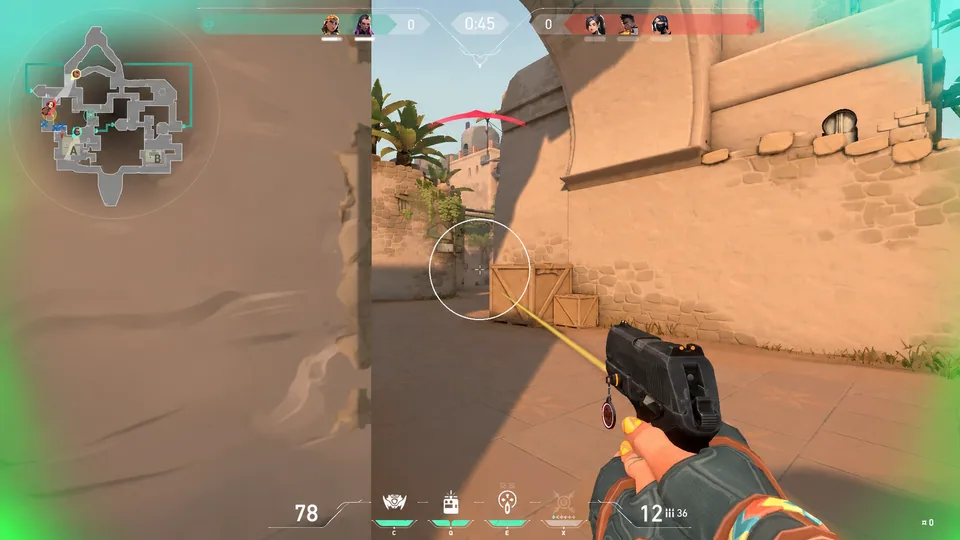
For a menu reference, record the section heading, exact control name, and the value or unit being discussed. A screenshot can provide context when its labels remain readable. The related settings-menu guide explains toggles, selectors, key bindings, and profiles, while the setup record keeps track of how you reached the interface.
Capture the first unexpected result
The first unexpected screen often provides the clearest starting point. Record its exact wording before trying another step. Include the application that displayed it and whether it appeared during sign-in, launch, access, or configuration. Keep a later message as another observation rather than replacing the first one in the notes.
An effective sequence might read: “The receipt arrived. The account page opened. The next screen displayed this message.” That sequence tells the reader what worked as well as where progress stopped. Add your environment note and the source instruction you were following. The result is a compact report that can be understood without a lengthy retelling of every earlier attempt.
Prepare screenshots that answer a question
Use one screenshot for the message and, if necessary, another for the surrounding interface. Crop distracting desktop content while preserving the heading that identifies the screen. Keep the text readable at its original scale. Name the files in order so a recipient can connect them to the step numbers in your report.
Remove passwords, keys, payment information, and recovery details before sharing the files. Keep the original private copy if it contains information the provider needs through a secure support route. A public screenshot should illustrate the question; private purchase verification belongs with the responsible provider. This division keeps a documentation discussion readable and avoids scattering sensitive order details across several channels.
Send the request to the right recipient
Use the checkout or order provider for transaction and delivery questions. Use the product documentation contact for a named requirement or application step. For an official Riot Client message, begin with Riot’s documentation for the complete code. Use this site’s Support page for a navigation question, article correction, or help identifying the destination linked from a page.
End your request with a specific question. “Which access step follows this receipt?” is easier to answer than “nothing works.” “What unit does this slider use?” is clearer than attaching an entire configuration and asking for help. Once the answer arrives, add it to the appropriate stage in your notes. The workflow then becomes a reusable reference rather than another isolated message thread.